During my final term, I worked on a live project in teams to
meet the required aims for the organisation and execute the given KPIs. The project
involved working collectively with public relations, project management,
creative content creator and marketing teams to carry out tasks to contribute
to the project. This module required me to have a professional manner and the
attitude throughout the entire term, including work with the two different
teams. My role as a Project Manager was both challenging and demanding.
I was given the opportunity to practice my skills and knowledge
that I had gained from my earlier terms.
All creative fashion tasks come with the challenges and opportunities. During
the project I had to be very positive, understanding and supportive of my
teams. I had to ensure that we met the set deadlines of our assigned tasks, whilst
maintaining the outstanding job quality as expected by our Project leader. My
ingenuity was crucial for me to succeed in this project.
All the knowledge I have gained at the end of this project is
a great addition on my CV which has given me the confident to progress towards
my future career path. With the help of this project I have learned and gained
valuable set of skills and knowledge which has given me the best education
experience. During this journey, I learned how to organise myself in relation
to certain roles and decision-making accountability. I had been expected to
establish objectives, plan strategies and the make necessary decisions prompted
by plans. The live project was established using a range of specific stages
allowing me to enforce my reflection and analysis of pervious decision to the
future issues. I was obliged to address a wide variety of public procurement, marketing
and delivery of personalised products.
It was not an easy task being a project manager, my role was challenging
and intense. During the process, we all proposed many creative ideas. One of
the few major changes were made by the ideas introduced by the teams such as
the name of the Designer Hat Gallery was changed to The Hat Circle. The logo
was collective designed where I worked closely with the marketing team to come
up with the different samples. One of my original idea was to share the Instagram
of X-Terrace with my friends back in Pakistan to gain more followers and likes on
posts which would help the business gain more potential clients and boost the brand
attraction. Daily comments and likes on the posts were the idea to gain
attention of designers and client promoting the business.
I have acquired many valuable skills during my learning process
in this term including consistent demonstration of professional behaviour to
deliver excellent results. I was able to identify, assess and justify the
business goals and issues with the help of this module. I had the opportunity to
learn and understand the requirements of a real business. Through the
development and presentation of a compelling business report that helped in
analyses productivity of the team against set targets and standards. All in all,
It was a rollercoaster ride but was worth it.
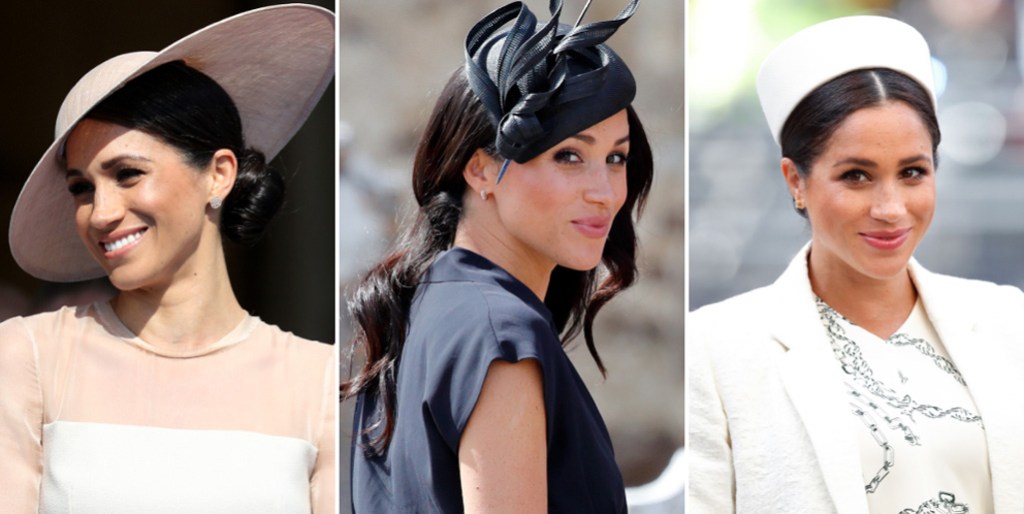
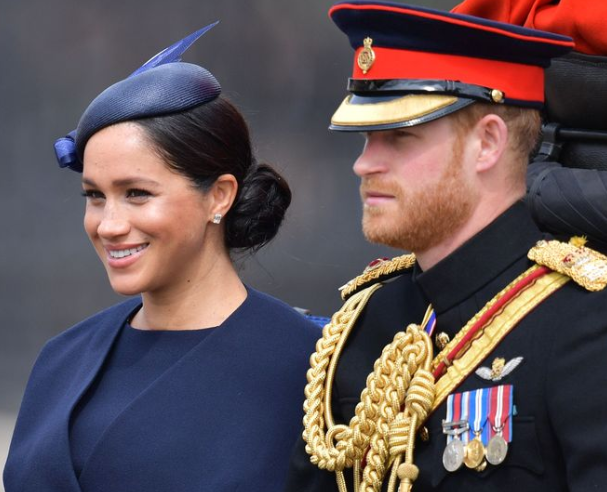
The Duchess of Sussex Meghan Markle has swiftly adopted the British royal family trademark: unconventional and elegant hats. From designed fascinators to wide brimmed saucers, this blog will take you through the Duchess of Sussex’s best millinery fashion moments (Town & Country, 2019). Megan Markle has selected some fascinators and hats which has nothing been short of big statement as her most graceful dresses. There has not been a royal event where Meghan has not shown up with a flawless topper on her head (Town & Country, 2019).
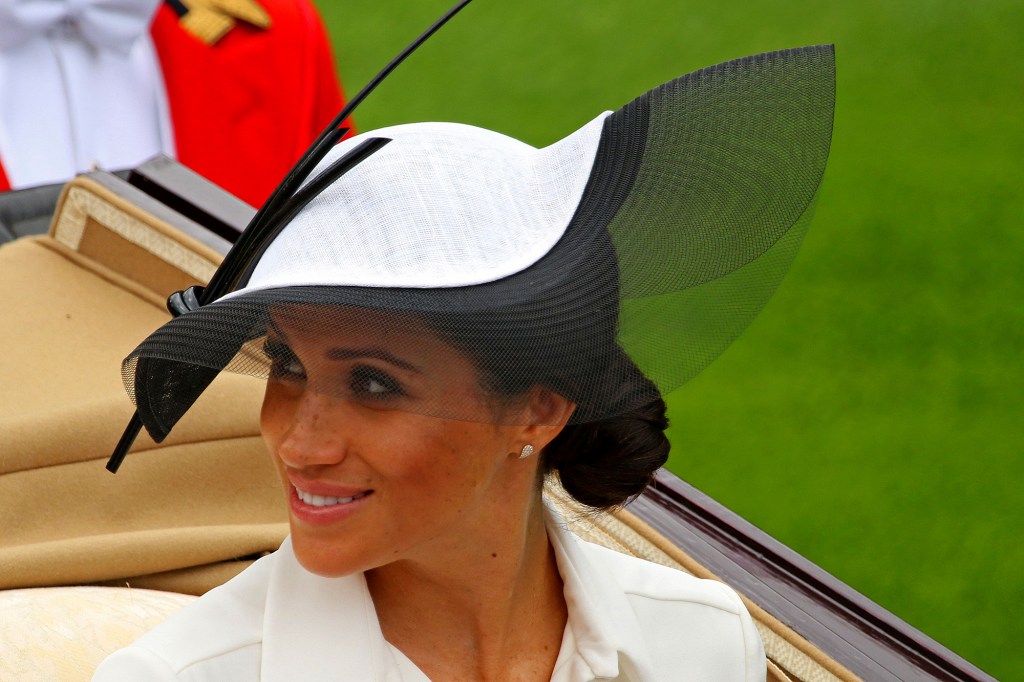
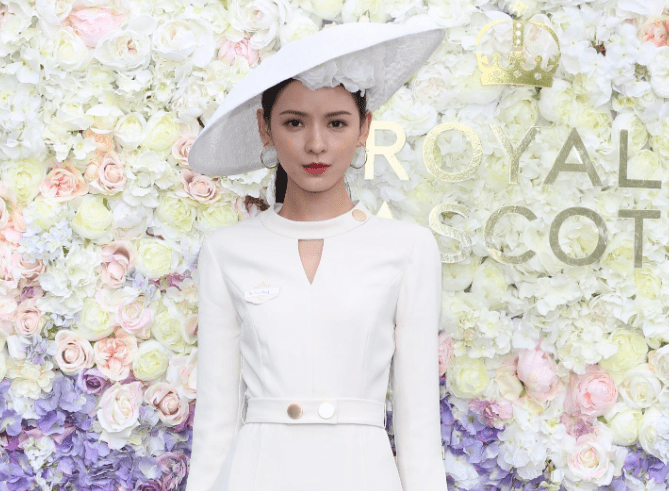
One of the very famous event Royal Ascot where number of royal family members were seen including the Duchess of Sussex made an appearance following the Queen’s strict dress code, Meghan showed up in one of the most stylish hats she’s ever seen in (Good Housekeeping, 2019). she wore a white button-front midi dress by Clare Waight Keller for Givenchy with a black leather slim belt around her waist paired with Philip Treacy’s black and white wide-brimmed hat (Evening Standard, 2019).
Mandatory Credit: Photo by Ian Headington/racingfotos.com/REX/Shutterstock (9721608b)
DUCHESS OF SUSSEX in the Parade at Royal Ascot Copyright: Ian Headington/racingfotos.com
Horse Racing – 19 Jun 2018
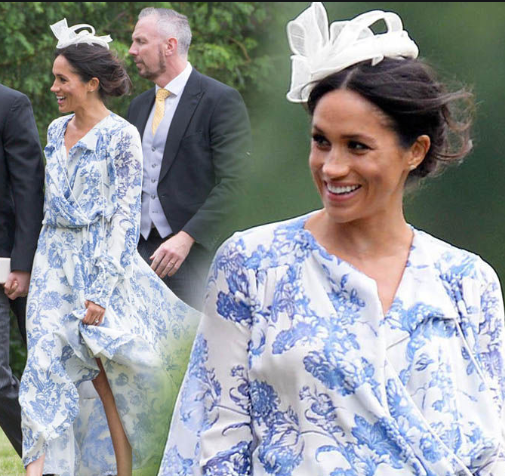
Meghan was spotted attending the wedding of late Princess Diana’s niece Celia McCorquodale. She chose a classy blue and white printed Oscar de la Renta dress with beautiful white fascinator. The Duchess of Sussex has a very simple yet elegant and tasteful style. She’s seen at different occasions with astonishing sense of sophisticated style. This not only makes her look different but is always to catch everyone’s eyes (Evening Standard, 2019).
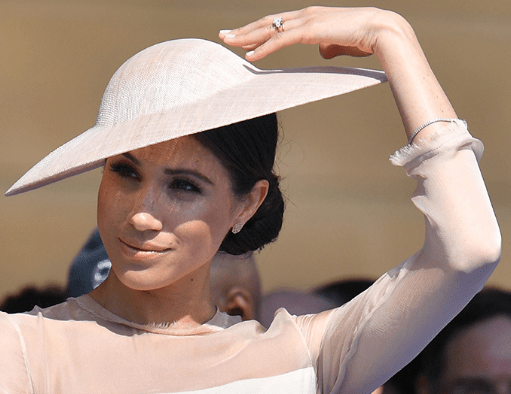
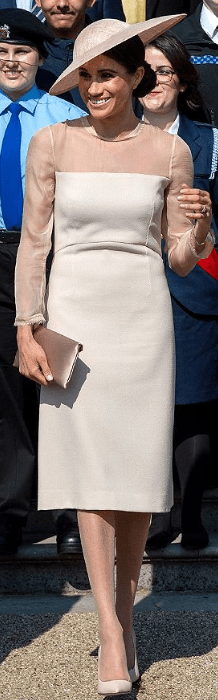
It’s Meghan who knows how to create an impact on fashion. For her first royal outing as the Duchess of Sussex in May 2018 she chose a wonderful hat. She was seen attending a garden party for Prince Charles at Buckingham Palace, the Duchess looked modest and graceful in the nude Flavia dress by Kate’s go-to-designer GOAT. The dress was paired with a chic pale pink hat by non-other than Philip Treacy, a with a rose gold clutch by Wilbur and Gussie and Manolo Blahnik BB 90 heels (Torres, 2019).
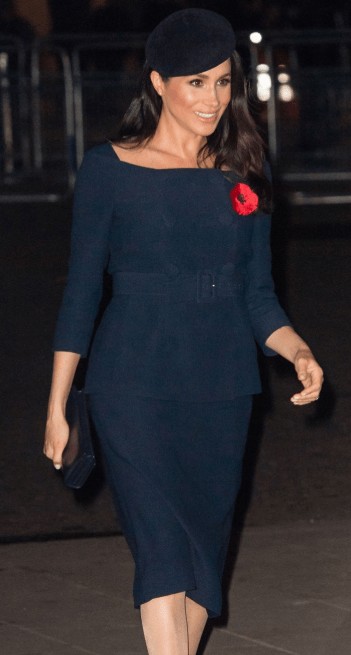
The duchess attended a Remembrance service
at Westminster Abbey to mark the 100th anniversary of the end of World
War 1. She came out wearing a navy peplum skirt and top, the look was completed
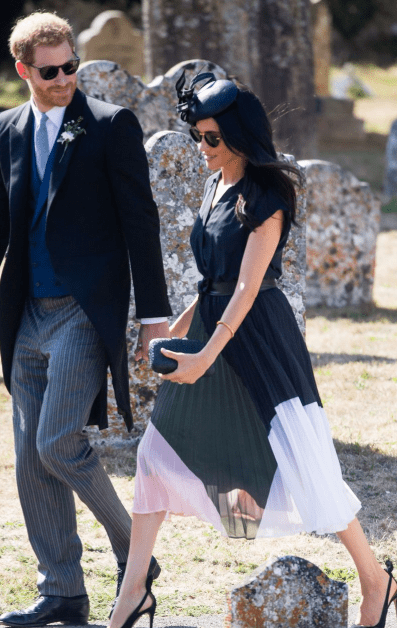
with a beret style hat (Torres, 2019). While attending a wedding with Harry
Meghan selected a navy club Monaco dress with white, pink and green accents,
she paired her entire look with royal family’s favourite Philip Treacy’s hat
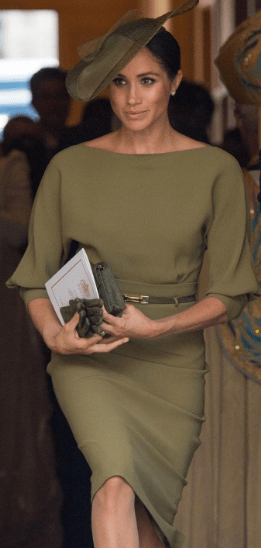
and Aquazzura shoes. At prince Louis’ Christening Meghan Markle decided to wear
a safari- inspired colour palette. Olive green Ralph Lauren dress with synchronising
accessories including suede Manolo Blahnik stilettos, a fine belt and an oversized
hat by Stephen Jones made her look radiant and chic (Evening Standard, 2019).
Meghan Markle is epitome of gracefulness and sophistication.
Her sense of style since becoming the member of Royal family has everyone
wonder with amaze and praised for her. She has inspired many with her looks and
fashion style. Her statement fascinators follow Meghan’s lead in terms of
colour scheme and design (Evening Standard, 2019). Her selection of hats is
making a trendy addition to any ensemble. She very quickly become the fashion’s
‘it’ girl. From her first outing as Prince Harry’s Fiancé and her iconic royal
wedding look to her various royal tours.
Britain’s most
anticipated and valuable event of race meeting is Royal Ascot which is respected
across the world and appeals many of racing’s premium horses to participate for
prize money of millions of pounds, with six world-class races on the card each evening
(Ascot.co.uk, 2019). It not only features globes best racing horses
but also the finest of fashion apparels and hats money can buy (Ascot.co.uk, 2019).
Royal Ascot correspondingly synonymous with tailored elegance, being inundated and presented with beautiful fashion also the most splendid millinery constructions in the world of hats, while a plenty of dining options makes it the perfect event for entertaining and socializing (Ascot.co.uk, 2019).
All five days offer their own diverse charisma,
each is short-lived of anticipation, shade, and dividends of the same magnificent
atmosphere. Each is distinctly Royal Ascot (Ascot.co.uk, 2019). This year’s
event not only included the colour but also, countless treasured moments. Starting
from Duchess of Sussex Meghan Markle’s reappearance to the public eye to the Majesty’s
grand entrance, the annual celebration was an unforgettable and fashionable
affair we would not forget (Harper’s BAZAAR, 2019). There’s no question that wearing
a hat is a must at Royal Ascot. The race’s official dress code for ladies in
the royal inclusion even requires that a fascinator simply will not do- a true Hat
is essential. Keeping that in mind, this blog will exhibit some highlights of
most loved toppers from this year’s Royal Ascot.
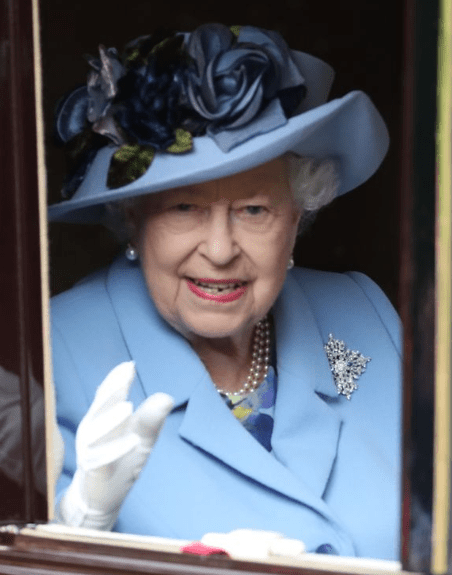
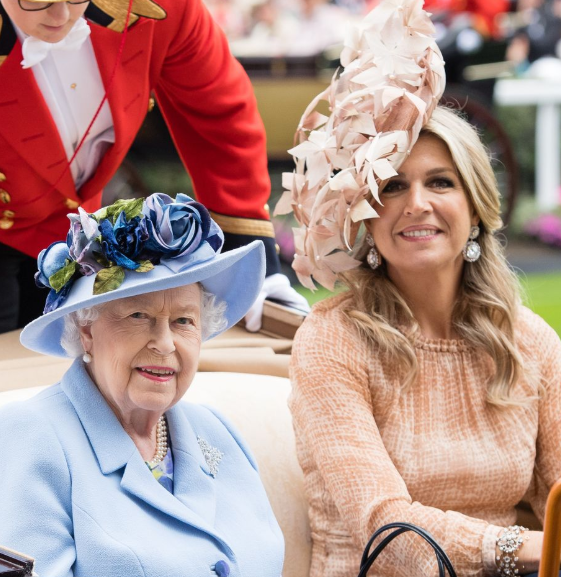
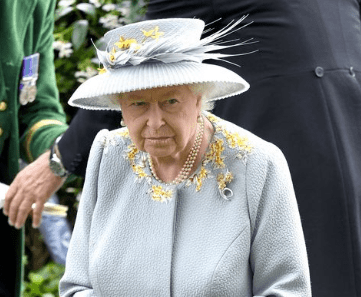
As Sarah Burton said, “Hats certainly are the stars of the show at Royal Ascot and guests continue to embrace them as part of the theatre and tradition of the occasion,” (CNN Style, 2019). There is always anticipation on who is wearing what, but everyone’s focus of attention is always the on Her Majesty the Queen’s selection, with bookies taking bets on what colours she would be wearing each day. This year’s fashion extravaganza, led by a regiment of royals, has not disappointed anyone (Harper’s BAZAAR, 2019). On Tuesday, Queen Elizabeth II led the royal parade in a cornflower blue hat with Angela Kelly dress. Whereas Queen Maxima of Netherlands stole everyone’s heart with her over the top or if I may say the show-stopper floral headpiece.
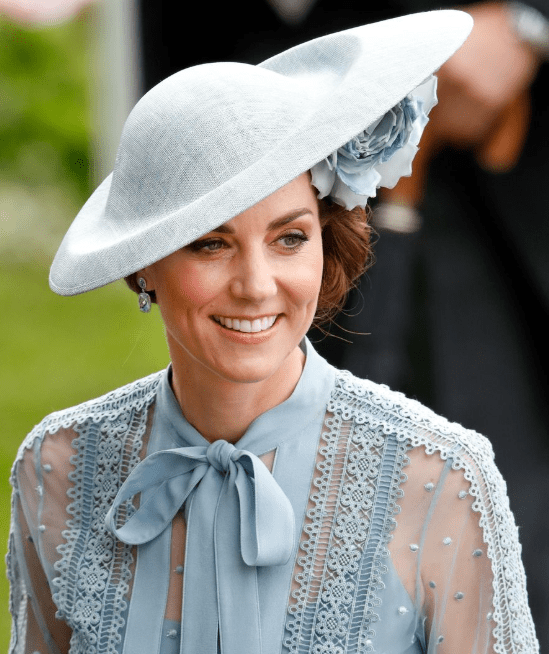
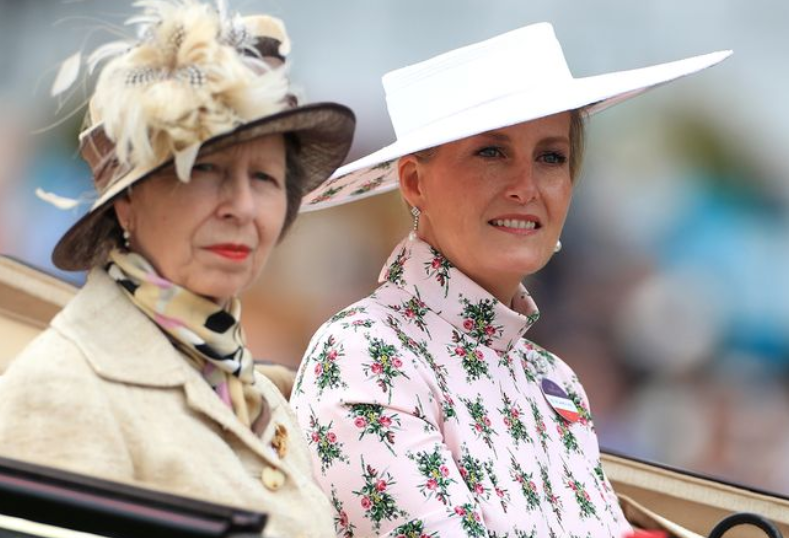
The Duchess of Cambridge chose a pale blue Philip Treacy hat with floral adornments for opening day at the races. The Princess Royal on left chose a very neutral feathered hat whereas, the Countess of Wessex on right wore a pink wide-brimmed hat with green accents (Harper’s BAZAAR, 2019). The Countess of Wessex selected matchy-matchy look at Ascot this time. Her wide-brimmed topper exactly harmonised with her dress, all the way down to the bold floral print (Harper’s BAZAAR, 2019).
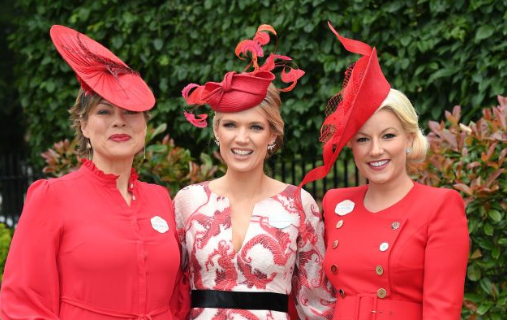
For the third day of Royal Ascot the queen chose to dress in an embellished pale blue dress with black loafers. As these three toppers confirms on the left, red was on-trend at Opening Day this year. Many hats were seen giving the sense of elegance and sophisticated which made it to the highlights of the Royal Ascot.
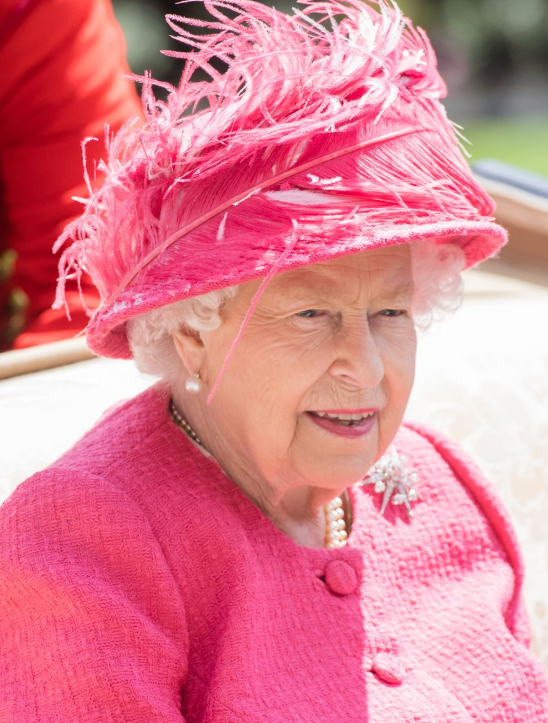
Ascot’s day number is a major highpoint of fashion at the event, which was evidenced by over the top hats at the different days. The fourth day of Royal Ascot 2019 was flued up by Queen wearing a punchy pink collection, which was only made to stand out by the magenta feather trails devoted to her Majesty’s hat.
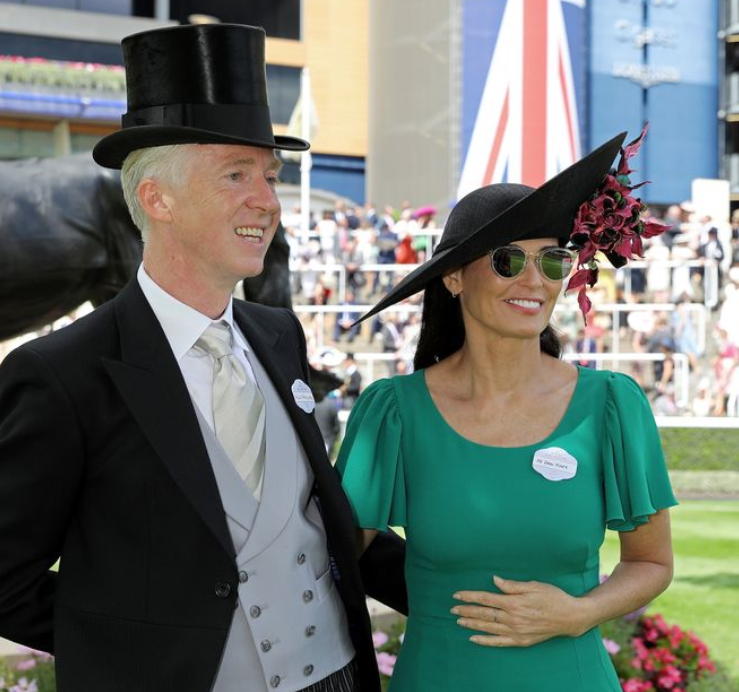
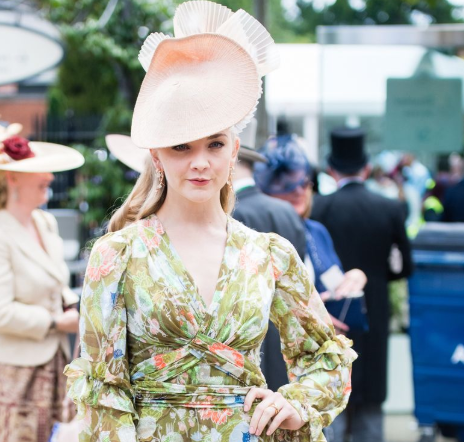
Milliner Philip Treacy was also seen escorting Demi Moore on the fourth day of the races, both were spotted wearing his own spiffy toppers creation (Town & Country, 2019). His, was a definite top hat, hers a lopsided rim hat with a flower enhancement placed under one side (Town & Country, 2019). On the other hand, Natalie Dormer actress of Game of Thrones was spotted in a green floral Peter Pilotte dress, Jimmy Choo heels, Shaun Leanne jewellery, a Cafuné handbag, and a bespoke peach Jane Taylor Millinery topper (CNN Style, 2019). Every year number of Royals, celebrities and public figures appear with an individual sense of style in hats and fashion which makes the Royal Ascot, the most glorified event of the year.
Blog
1: Target Audience and Competitor Projects and Research
A Hat is a substantial
communicator of specify gender, age, social status, and set association. They are
also distinguished as ritualistic symbols and enhancers of sexual
attractiveness. As a sculptural art form, hats may be designated and construed
in terms of different shape, colour, surfaced materials, decorations, quantity,
and scale to the wearer.
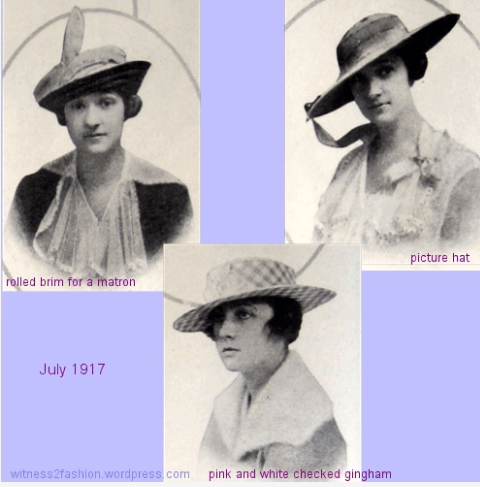
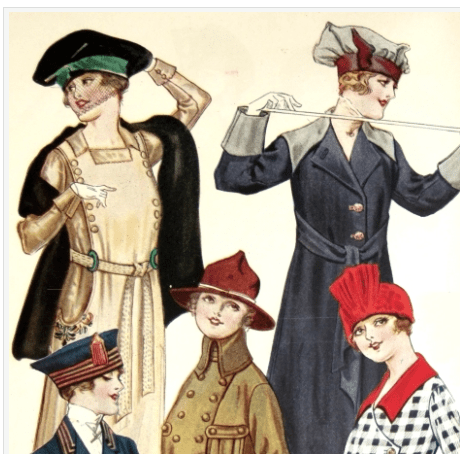
Hats have always been commonly worn, the historical growth within the Western European fashion world grew with time. Women’s hat fashions started in the revitalisation and enhanced sensationally with the nineteenth-century industrial upraise, also known as the “Golden Age” of millinery, which continued till the mid-twentieth century.
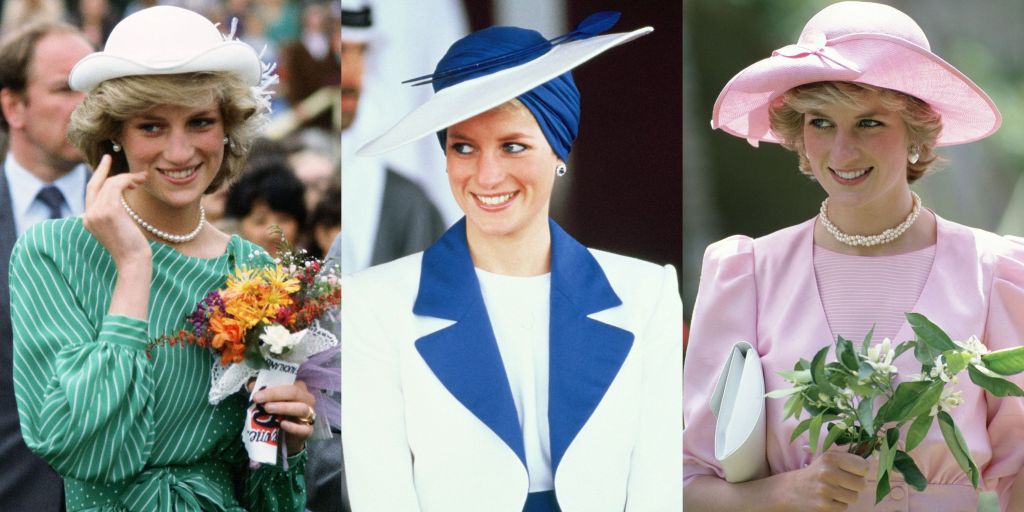
In England, after a two-decade pause, Princess Diana was the famous public figure who played a part in re-popularizing, wearing attractive hats in the 1980s (Fashion-history, 2019). She made hats as an elegant accessory of her outfits. She made it look like a statement piece that would stand out and distinguish among hundreds of people. Her London-based milliner John Boyd and others (Simone Mirman and Graham Smith) sustained designing and crafting hats for royal family members.
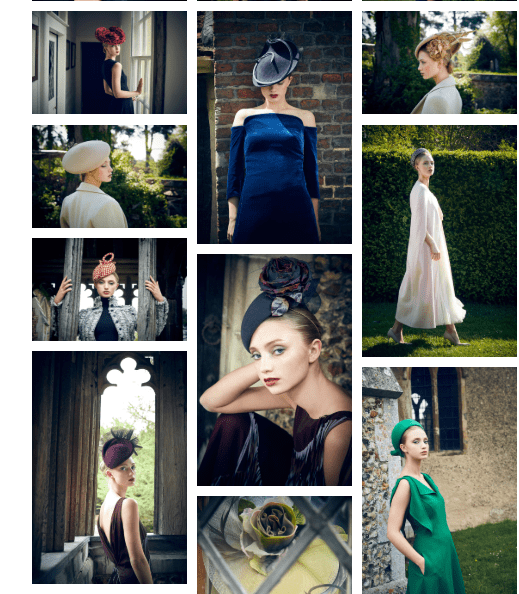
X-Terrace fashion platform is a brand that
creates and exhibits the handcrafted hats from milliners all around the globe. The
brand aims to link creative people in Europe with fast growing fashion
companies in Asia, for paid projects at home and abroad. They ensure smooth
communication and to overcome the language barrier. There teams are based in
London and Shanghai, to connect people with jobs across the globe (X Terrace, 2019). The London
Hat Exhibition is where Millinery from around the world come together and
present their art and craft in shape of hats. The purpose of this exhibition is
to bring together the talent and give appreciation for the creativity and effort
put in the work. This gives the opportunity to the designers to representation
their capacity and get valued by the people who have special interest and love
for hats.
X-TERRACE – Target audience
The main
target audience for the brand are women of age 25 to 65. The consumers shop for
different occasions such as Royal weddings, Royal Ascot, King George Weekend or
themed events and functions. They usually shop hats from big departmental stores
including John Lewis, Harrods and Selfridges etc. According to the reports of
Statista, people are highly interested in personalised fashion accessories in
UK. Main target consumer also includes milliners, designers,
fashion editors and bloggers.
X-TERRACE – Competitor
The fashion industry moves at a very fast
pace, where you must be on a look out all the time. Be on top of your game and
present your customers with something unique that matches their needs and wants.
One of the main competitors for X-Terrace fashion flatform at the moment would
be Love Hat.com as they are based in London sharing the same vision of bringing
milliners together from different parts of the world (Lovehats.com, 2019). The brand
Love Hat.com aims to bring forward the inspiring artists from all around the
globe and present the fine art through their website (Lovehats.com, 2019). Another
main competitor for X-Terrace is Jane Taylor. The brand is very consistent and focused
on the clear designs and what differentiate them from x-terrace is that they
have a physical store (Jane Taylor London, 2019). This allows the brand to have
a competitive advantage and brand trust.
Jane Taylor London. (2019). Jane Taylor London | Bespoke
hats, headbands & accessories. [online] Available at: https://www.janetaylorlondon.com/
[Accessed 10 Oct. 2019].
Pinterest. (2019). 21 Absolutely Outrageous Hats
From the Royal Ascot | Ideas | Royal ascot hats, Kate middleton hats, Ascot hats. [online]
Available at: https://www.pinterest.co.uk/pin/155866837084498030/ [Accessed 10
Oct. 2019].
X Terrace. (2019). X Terrace Home – X Terrace. [online]
Available at: https://www.xterrace.com/ [Accessed 10 Oct. 2019].
I
personally believe that one should always work on developing themselves in
terms of habits that can influence others. As Himanshu Bhatia once said to be a
good leader, it is a huge responsibility on one’s shoulder to be able to
practice a certain behaviour that we want others to follow (Suebhatia.com, 2019).
I come from a part of world where women are not seen as strong leaders just
because she is a woman. This male dominating society is what makes it hard for
any female to be able to voice out her opinions at a workplace. They must fight
for their basic civil rights. Being an international student and being away
from my home country Pakistan has made me realise the potential and talent we Pakistani
women have in ourselves is commendable.
I have been working in teamwork for many years
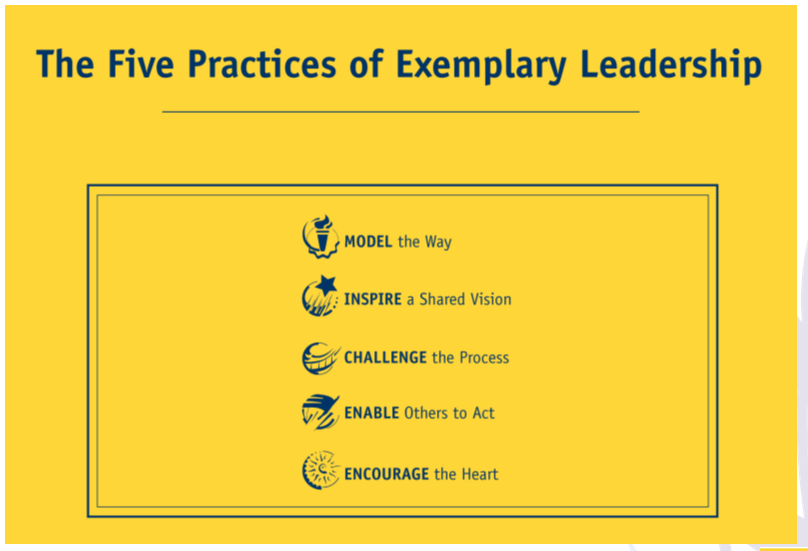
now, I figured all these years I was practicing Kouzes & Posner’s 5
Practices of Exemplary Leadership as it reflects my vision and values of leading
others around me. The 5 main practices including Model, the way I do things and
the way I work. We are modeling some certain ways that influences people. Then comes
Inspire; the values I share with others to inspire them for the vision I have
within myself (Kouzes and Posner, 2011). Challenge is the process, during the influence
I have on others comes with challenges. It is not easy to impact other members
of your team if you don’t understand them and value their opinions. Forth
practice is enabling other to act. Giving them chances to express themselves
and valuing their ideas can create a personal change in someone’s life. Last but
not the least, encourage. This is the most important aspect of an individual’s
life (Kouzes and Posner, 2011). Encouraging other people around you for doing
something they have been struggling to do for a very long time can make a huge
difference. Having courage to do something is not as easy as it may sound. Further
working on these 5 practices will not only help me be a better leader but it
will have an impact on my personal development as a person.
In this module, we were
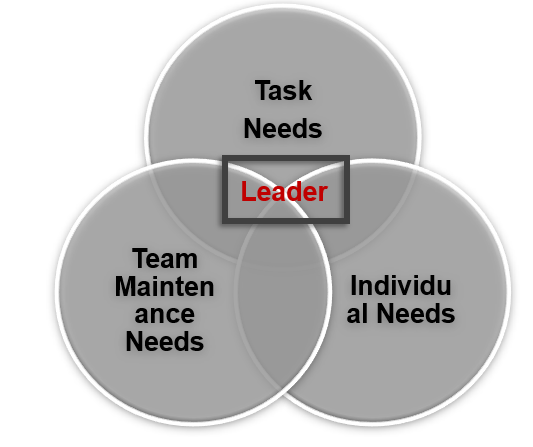
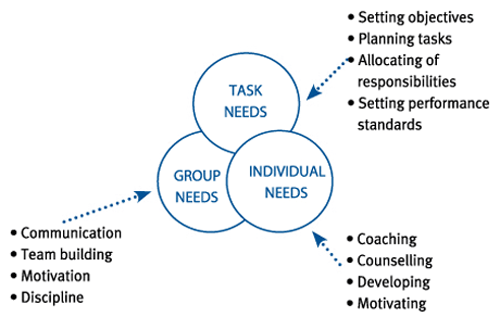
taught different frameworks every week. Action Centered Leadership by Adair’s
Model reflects on my cultural norms and values that I have been brought up with.
It covers three major influential factors including task needs, team maintenance
needs and individual needs (Adair, 1976). Achieving the goals and objectives of
team, allocating resources, organising responsibilities
and duties all these come under the task needs. On the other hand, individual
needs cover the needs of an individual in the team, attending to their problems,
resolving conflicts (Adair, 1976). Not to forget team maintenance needs,
creating a system of communication within the teams and maintaining standards/discipline
(Adair, 1976).
Based on the feedback I received from my team
members I can now work more on my weakness. One of my main struggles while
working with a group is my behavior of taking control, whenever I see people
not willing to come in front. I tend to put myself there and take over the situation.
This is something that could cause some sort of tension between other team members,
making them feel I know it all. Which most certainly is not the case. My intention
always is just to get things started. For this I believe I should use the
situational leadership approach. This model is based on the readiness of the
people that the leader/person needs to influence (Mullins and Christy, 2016). Situational leadership by Hersey and Blanchard
(1997) emphasis on the combination of two behaviours;
task behaviour and relationship behaviour. Task behaviour is something that I have
always been doing, providing team members with appropriate directions for them
to act on and setting goals for the members, making sure they know their roles (Mullins
and Christy, 2016). Whereas relationship behaviour is what I need to work on to
overcome my weakness, I need to engage myself in two-way communication with my team
members for them to be able to listen to me. I also need to listen to them and
provide them with extra support and help they might need.
I
have created a development plan where I will work on myself with the help of
situational leadership approach. I will make full use of my strengths, such as being
a team player, helping and provide support, understanding and resolving the issue
and giving other the benefit of doubt. By working on my weakness will not only
help me in future but also for my MBA course. It will give me right direction
and sense of empathy towards others.
References:
Adair, J.E. (1976),
“Action-Centred Leadership”. McGraw-Hill, London
Kouzes,
J. and Posner, B. (2011). The Five Practices of Exemplary Leadership.
Hoboken: Wiley.
Mullins,
L. and Christy, G. (2016). Management and organisational behaviour.
11th ed. Pearson Education Limited.
Suebhatia.com.
(2019). Himanshu Bhatia, Chairman and Founder of Rose International.
what
is change management? This is something we hear every now and then. Many of us
know intuitively what change management is but we still have hard time
understanding the real meaning. To define the term, it is essential to provide
the context related to the two perceptions. There are many different approaches
and tools used to enhance organisations management, all of them prescribe
adjustments in either processes, systems, organisational structure or job roles
(McGuire, Palus, Passmore, and Rhodes, 2009). Change management is the process
of maintaining the people side of change to attain the required business objectives
(Prosci.com, 2019).
The
amount of disruption in an employee’s everyday life depends on the change
management. It also hinges on the organisation’s attributes, including culture,
value system and history with past changes. On 29th March 2017, the UK
officially publicised the plans to leave the European Union (Brexit). It was
historically ground-breaking news, and it manifest the beginning of a two-year
period in which the politicians, businesses and the people of must prepare for
a life after Brexit (Market-inspector.co.uk, 2019). Brexit will unquestionably
have consequences for British businesses, and it is supposed that London-based
businesses will likely be most affected (Kotter and Schliesinger, 2008). These
consequences might contrast from industry to industry; however, many
London-based businesses are presently questioning what the future holds for
them in the UK. Most banking jobs are moving out of London to Dublin, Paris,
Amsterdam, Milan, Madrid and Frankfurt (David, 2019).
If
we expect to see hard Brexit this means all the existing trading deals would
disappear. This might sinew the manufacturers, retailers and designers to pay
trade with the EU, therefore extra tariffs would be included to clothing and
footwear which is assumed to be roughly 11 per cent (Adegeest, 2019). On the
other hand if soft Brexit is to come in play that would mean free trade between
the EU countries, but it is still unknown what strings would be attached as
European countries would want full freedom for their citizens to operate openly
in the UK and manage to export untaxed (Adegeest, 2019). Regardless of the
outcome of Brexit, the cost of clothing will increase as the UK market is
heavily dependent on importing raw materials for making cloths and exporting
goods to other EU countries and the rest of the world (Kotter and Schliesinger,
2008). According to the Evening Standard: ‘The UK imports almost 10 billion
pounds worth of clothes and shoes from Europe each year; more than 10,000
European staff work in the British fashion industry. It has become a microcosm
of UK Plc’s struggle to deal with the referendum result.’ (Tobin, 2019)
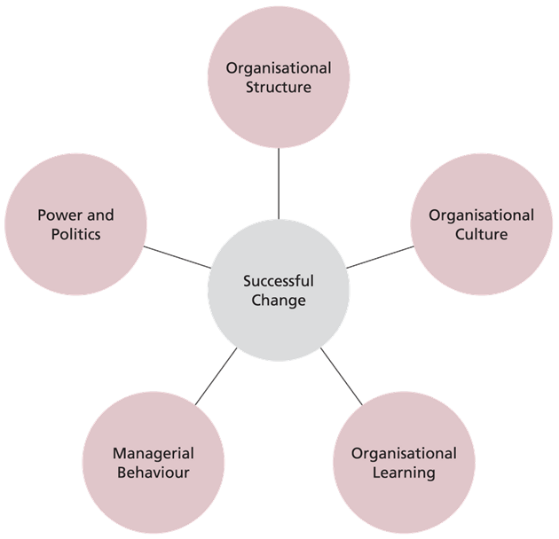
As an example I would like to talk about Britain’s luxury sector, that would be highly affected by no Brexit deal, including names such as fashion house Burberry and car-maker Bentley, they brands could lose up to £6.8 billion pounds in exports a year if the world’s fifth-largest economy crashes out of the European Union without a deal (business of fashion). as I mentioned in my first blog about the how cultures can be managed within the organisation. Similarly, the change management is attainable int the fashion industry as well. As seen in the Emergent Change theory by Burnes which perfectly implies in this situation as well because the change in management is something that can be control, foreseen and managed. Burnes 2010, states in his model that emergent change is grounded on the hypothesis that change is a constant and impulsive process of aligning and manipulating an organisation to its altering atmosphere, exactly how Brexit is having a toll at the fashion industry due to its uncertainty (Burnes, 2010).
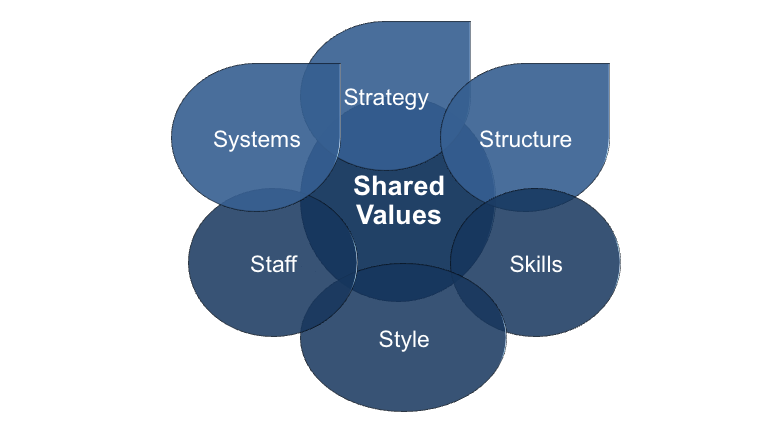
In this situation, Mckinsey 7s model
could be used as a solution to the problem as it covers everything that is
required to change management (Ravanfar,
2019). With the current situation of Brexit where
designers do not wish to vote out because of the high investment risk and low
revenue increase. Based on shared values, changes could be made within the
systems, strategies and style of leadership and management (Ravanfar, 2019).
That could be perceived in a positive way.
I
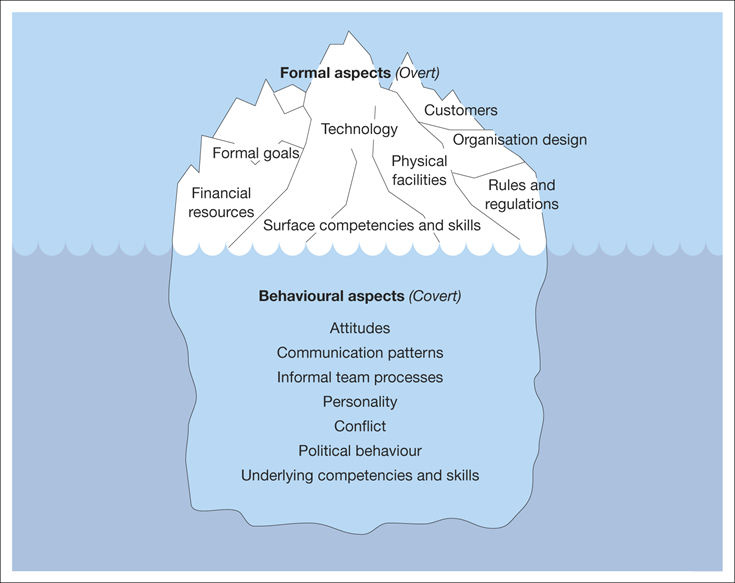
would like to recommend Iceberg theory as an action plan for fashion industry, Burberry
to be specific. I mentioned this theory in my blog 1. This framework is the
study of both formal aspects as well as behavioral aspects. As all these attribute
makes a lot of difference in change management. Factors such as communication
patterns, conflicts and personality can have an effect on the management and people
working around. This will give management to work on the areas that can be improved
and will make the change acceptable and adaptable for everyone in an
organisation.
What
comes to your mind when you hear the word leadership? In simple English
leadership is defined as a relationship through which one can influences the
behaviour or actions of other people in organisation/team or in general life
(Mullins and Christy, 2016). According to Belbin leadership is not a
job but a quality that can be brought to a job for effective performance of
both organisation and individuals, the work that leadership comprehends in the
context is not allocated but comes about instinctively (Belbin, 1997). In this blog I would debate on how leadership
theories need to be developed in future. Also, ponder on the implication of why
research should be conducted on feminine leadership.
John
Adair’s simple Action-Centred Leadership model delivers a constructive outline
for leadership and the management of any team, group or organisation (Adair,
1973). The three parts of model including ‘tasks needs’, ‘individual needs’ and
‘group needs’ are commonly represented by three overlapping circles. In this
model the author argues the close relationship between management and
leadership.
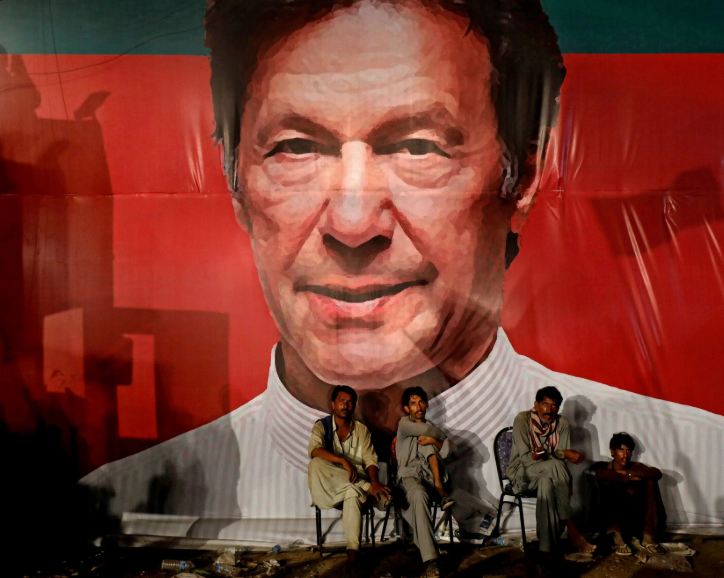
I would like to use Imran khan as the
great example for understanding this model in a vibrant context. He is one of
the world’s most influential leader who has made a huge impact in lives of many
individuals with his strong will, determination and struggle. Imran khan is the
current prime mister of Pakistan. In one of his interviews Imran stated that
leadership comes when you think for others, a leader is always selfless. From
cricket to politics, he’s been on a rollercoaster for making a change in a
corrupt and mismanaged country (Zeidan,
2019). From the beginning Mr khan knew he had to structure his approach
towards understanding tasks, knowing individual needs and group needs, as seen
in Adair’s model. This led him to his success.
Leadership is misunderstood in many
organisations. It is not a title or a job, it is a quality that some people are
born with (Loftus, 2016). Leaders
can model an optimistic response by transmuting their own thinking and by being
open to new ideas. Embracing emotional reactions can have a significant change
in one’s life. Cognition and emotions are deeply fussed into human system. A
good leader needs to show empathy and understanding towards employee’s
emotions. The backlash faced by the Wells Fargo was result of poor leadership and
an exemplary leadership issue in the world, Well Fargo is an American
multinational financial services company (Loftus, 2016). In 2011, the employees created 1.5 million
accounts and half million credit cards for the banks existing customers, which
according to Well Fargo consent order with the U.S consumers Financial
Protection Bureau ‘may not have been authorised’ this resulted in charging the
customers with the fees for account they did not know they had, the company is
refunding those fees (Loftus, 2016).
This led the company to millions of fraudulent acts, due to fiddled customers
the company had a major fall in stock price, millions in fines for bad
behaviour due to which the CEO resigned shortly thereafter. This is also a
clear example of how technology is impacting on the leadership style of the
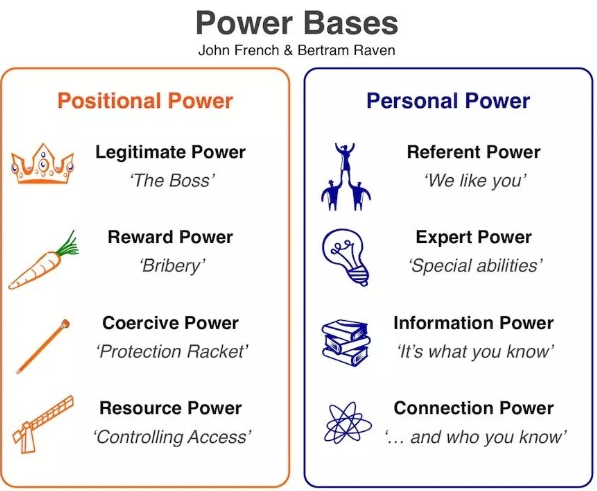
company. As mentioned in the theory of power and influence by French and Raven,
power is contrasted with attraction and resistance. Similarly, in this
situation positional power influences and personal power influences the working
ability and performance of individual resulting in good or bad impact on the
company (French and Raven, 1968).
Scope of Research on feminine
leadership specifically in Asian
Power and Empowerment
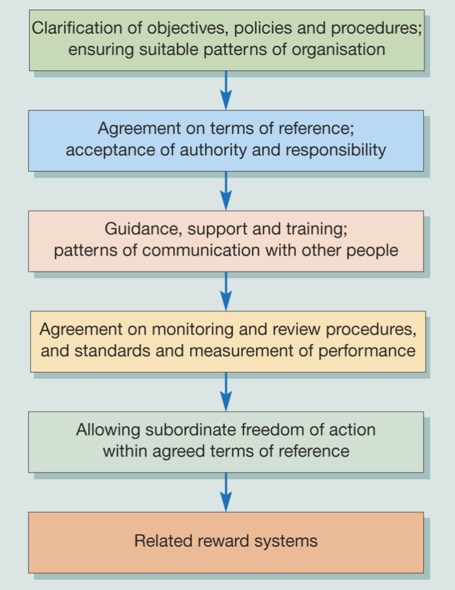
framework fits right into feminine leadership. Giving women the equal
opportunity to lead and authorise with acceptance and responsibility without
making gender an issue can make a huge impact on leading in a changing world (Mullins and Christy, 2016). I
believe women of our time are as capable as men in any field, sector or
industry. Allowing juniors, the freedom of action with confidence with not only
play a part in increasing the productivity but also in making a difference that
can influence the working environment all around the world (House1971). Gender plays a vital
role in Asian, African and Middle Eastern countries because they are perceived
as a male dominant pacific. As explained in Path- goal theory by House and
Dessler, based on the belief that the individuals encouragement is constructed
on the expectations that increased effort to succeed will lead to an improved
level of performance which will be fundamental in achieving positive rewards
and avoiding negative outcomes (House
and Dessler,1974). Path- goal theory also advocates that performance of
workers/assistants is affected by the level to which their manager pleases
their expectations.
I believe leadership theories
should develop more in regards with the crisis the world faces which includes
gender discrimination, technology, economic crisis and globalisation. These
issues can impact the world to a great extent therefore, it is essential to pay
close attention towards the behavioural issues and working environment problems
that could be altered in time and influence once’s actions.
Refences:
Adair, J.E. (1973),
“Action-Centred Leadership”. McGraw-Hill, London
Belbin,
R. (1997). Changing the Way We Work, Butterworth Heinemann, p.98.
French,
J. and Raven, B. (1968). ”The Bases of Social Power,” in Studies in
Social Power, ed. Dorwin P.. Michigan.
House,
R. (1971). A Path Goal Theory of Leader Effectiveness. Administrative Science
Quarterly, 16(3), p.321.
House,
R. and Dessler, G. (1974). ‘The Path-Goal Theory of Learderhsip.
Southern Illinois University Press.
Kotter,
J. (2009). What leaders really do. IEEE Engineering Management Review,
37(3).
Culture plays a vital part in the success of any
organisations. To understand the culture within the organisations I will first
start with exploring what organisations are? To be specific organisations are a
very essential part of our community, both public and private sectors, also
including the voluntary sector (Mullins and
Christy, 2016). All organisations have some sort of function to perform.
There are many organisations that comes in different form, shape, sizes and
cultures. Organisations have variety of purposes and needs. Mutual topographies
in any organisation are its people, objectives, structure and management (Mullins and Christy, 2016).
Organisational culture is also seen as set of beliefs,
behaviours, systems and values that an organisation keeps representing itself (Alvesson and Sveningsson, 2008). It impacts
on the way that people in an organisation interact with each other and with
others external to the organisation, including clients and stakeholders (McCalman and Potter, 2015). The corporate
culture is maintained by the organisational leadership who structure the
processes within which the organisation functions, and which allow employees to
follow the organisational values (Mullins and
Christy, 2016).
Uber is the best example of a fragmented
company culture. A blog post made headlines when the former uber engineer Susan
Fowler claimed to be sexually harassed and faced an ambivalent response from its
HR department (Weissman, 2019). Uber was labelled by the
Times ‘s Mike Isaac as a “Hobbesian environment” where “workers are pitted
against one another and where a blind eye is turned to infractions from top
performers” (Weissman, 2019). Organisational culture
crises are mostly the product of many small failures within the company. Human
resources department is very important in order to keep things under control. According
to Fowler Uber’s HR failed her. Stated as “When I reported the situation, I was
told by both HR and upper management that even though this was clearly sexual
harassment,” (Weissman, 2019) she further explained,
“they wouldn’t feel comfortable giving him anything other than a warning and a
stern talking-to” (Weissman, 2019).
Unsuccessful human resource department is one of the most
tenacious problems that epidemic all organisations, no matter what their form, size
or shape. For Fowler, HR was the only way she had to report managers’
wrongdoings (Weissman, 2019). The system that was
meant to document and systematically inspect the claim chose to (according to
Fowler) turn a blind eye in favour of a manager who allegedly produces good
results. HR’s failure to provide a safe environment in which employees can
report misconduct left Fowler feeling unsupported. In the end, she felt she was
left with no recourse but to ignore the harassment or leave. Change is only
being brought about now because Fowler went public with her story.
Based on the issue it can be concluded that
the organisational culture is not been managed let alone does not even exist. Organisational
culture is mainly concerned with the behaviour of people within an organisation.
Organisation and people need each other, and management is an essential part of
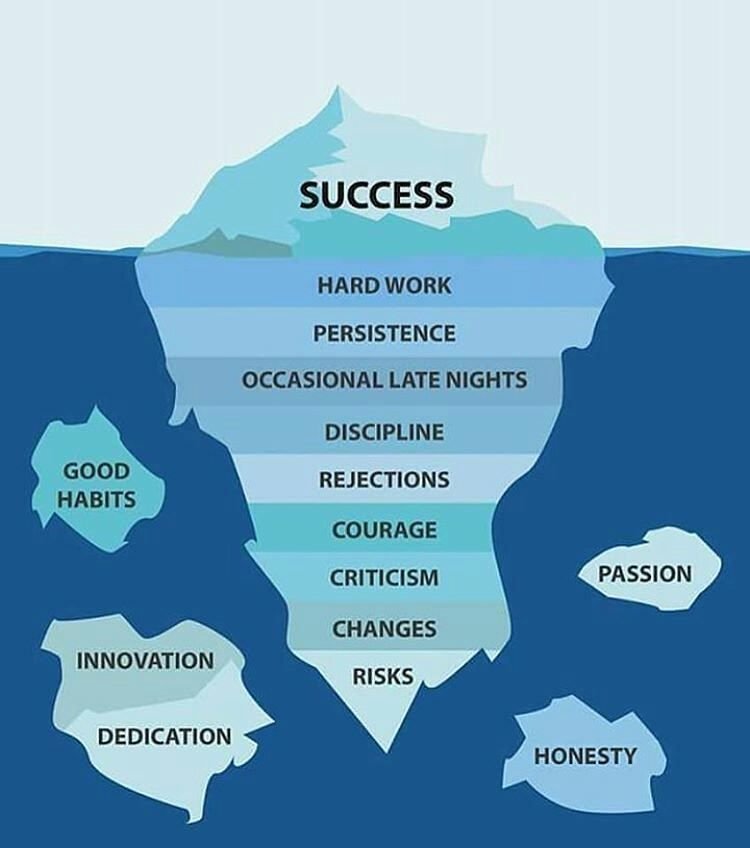
any workplace. Iceberg model or theory of omission applies to systems and
problems such as Uber’s HR problem as seen with an iceberg, only its tip is
visible, while the bulk of it is below the water surface making it invisible (Reissner, Pagan and Smith, 2011). Similarly,
the very less amount of information and help was provided to Flower. Behavioural
aspects play a major part in the productivity and quality of work life (Reissner, Pagan and Smith, 2011).
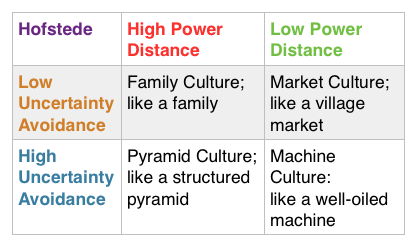
Additionally, Hofstede argued the
importance of knowledge on culture and workplace differences. In terms of Uber,
high Power distance and uncertainty avoidance makes it hard for the company to
make changes and implement equality at workplace (Schooler
and Hofstede, 1983). This problem can only be solved if the power
distance and uncertainty avoidance is well managed within the departments,
giving the employees a sense of safety and security (Schooler and Hofstede, 1983).
In my opinion culture can be well managed within the organisation.
Understanding the individual working in any company will not only help the firm
increase its productivity or quality of work but it will build strong relationships.
Culture is something that can be changed and managed by the right skills and
abilities to manage the work environment. Culture is understanding of values
and morals of people coming from different backgrounds and working together as a
team to excel.
References:
Alvesson, M. and Sveningsson,
S. (2008). Changing organizational culture. London: Routledge.
McCalman, J. and Potter, D.
(2015). Leading Cultural Change: the theory and practice of successful
organizational transformation. London: Kogan Page.
Mullins, L. and Christy, G.
(2016). Management and organisational behaviour. 11th ed. Pearson
Education Limited.
Reissner, S., Pagan, V. and
Smith, C. (2011). ‘Our iceberg is melting’: Story, metaphor and the management
of organisational change. Culture and Organization, 17(5), pp.417-433.
Schooler, C. and Hofstede, G.
(1983). Culture’s Consequences: International Differences in Work-Related
Values. Contemporary Sociology, 12(2), p.167.




 javeria.travel.blog